Sound Archive
The music of cinema: what played in silent-era theatres, the scores used to accompany films and the composers who changed how a film sounds.
Listen
Public-domain recordings more than a century old: songs born of silent films and the music theatre pianists played.
-
1907 · Public domain
In the Hall of the Mountain King
The Peer Gynt passage silent-film pianists reached for in any chase. Fritz Lang turned it into the tune the killer whistles in “M”.
-
1914 · Public domain
Poor Pauline
A comic song about “The Perils of Pauline”, the serial that left its heroine tied to the tracks every week. Films were already inspiring gramophone hits.
-
1915 · Public domain
Those Charlie Chaplin Feet
A year after creating the Tramp, Chaplin was so famous that his duck walk had its own song. This one-step was danced all over the United States.
-
1916 · Public domain
Hearts and Flowers
The melodrama tune par excellence: it played whenever the orphan wept or eviction knocked at the door. It was used so much that it became a parody of itself.
-
1919 · Public domain
Mickey
Written by Neil Moret for Mabel Normand's film “Mickey” (1918), it is one of the first songs composed to promote a release. It sold millions of copies as sheet music.
-
1919 · Public domain
Take Your Girlie to the Movies
“Take your girlie to the movies if you can't make love at home”: the darkened theatre as a refuge for couples, sung with all the cheek of the era.
-
1921 · Public domain
The Sheik of Araby
Born of the Rudolph Valentino craze over “The Sheik”, it became a jazz standard still played today. Here in a dance version from the same year.


Scores and cue sheets
What a silent film was accompanied with: a manual, a catalogue of pieces sorted by emotion and the sheets studios sent to every theatre.
-

1920 · Edith Lang, George West
Musical Accompaniment of Moving Pictures
The manual for theatre pianists and organists: how to accompany a chase, a kiss or a funeral, what repertoire to keep at hand and how to improvise without losing the film.
-

1923 · G. Schirmer
Schirmer's Photoplay Series, vol. 5
Short pieces ready to play in the theatre, sorted by emotion: agitation, mystery, love, storm. The musical catalogue every accompanist drew on.
-
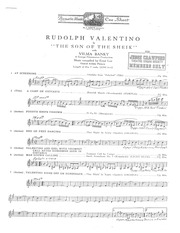
1926 · Cameo Music Service
The Son of the Sheik — cue sheet
The music planned for Valentino's last film, released weeks before his death. Orientalist themes, gallops and a waltz for the romance.
-
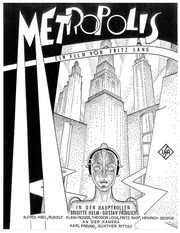
1927 · UFA
Metropolis — cue sheet
The accompaniment sheet for the US release of “Metropolis”: a map of how Fritz Lang's city was meant to sound in theatres.
-

1927 · Cameo Music Service
College — cue sheet
The music for Buster Keaton's “College”, with college-band numbers and sporting tunes. Even comedy needed its score.
-

1928 · Universal
The Hunchback of Notre Dame — cue sheet (1928)
The sheet the studio sent to theatres with the film: which piece to play in each scene and for how many seconds. This one is for the 1928 re-release of “The Hunchback of Notre Dame”, with Lon Chaney.
Composers
Twelve names that changed how cinema sounds, from the Hollywood orchestra to the cello of “Joker”.
-
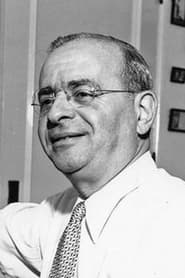
Max Steiner
The Viennese composer who invented the Hollywood sound: an orchestra underlining every emotion and a theme for every character.
Filmography → -

Erich Wolfgang Korngold
A child prodigy of Austrian opera, he fled Nazism and brought Vienna's symphonic grandeur to Hollywood in Errol Flynn's adventures.
Filmography → -
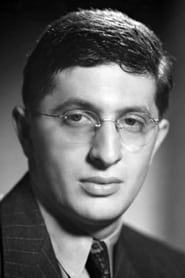
Bernard Herrmann
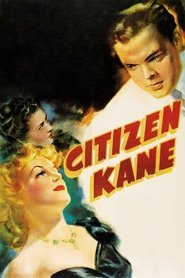
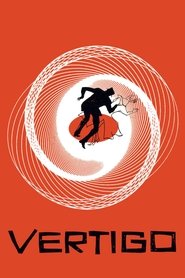
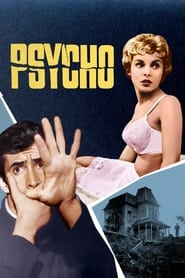
From “Citizen Kane” to “Taxi Driver”, and above all Hitchcock: short, obsessive phrases instead of big melodies, and the “Psycho” shower with strings alone.
Filmography → -
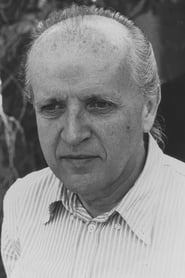
Nino Rota
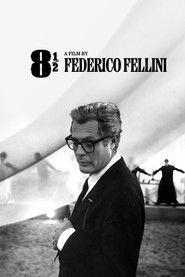
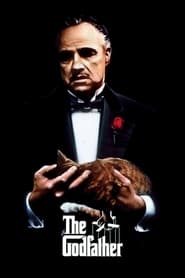
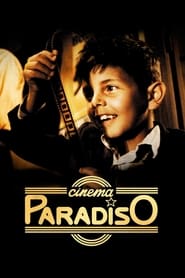
Fellini's musical accomplice for thirty years: circus, nostalgia and melancholy. And the sad waltz of “The Godfather”.
Filmography → -
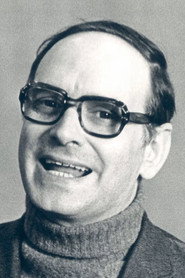
Ennio Morricone
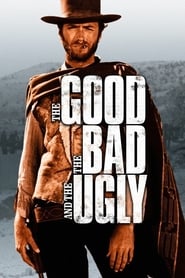
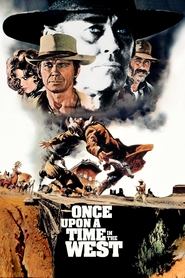
Whistles, whips, electric guitars and choirs: with Sergio Leone he reinvented the western, then went on to write more than four hundred scores.
Filmography → -
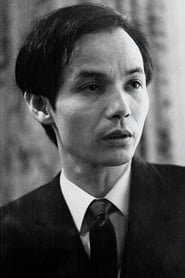
Tōru Takemitsu
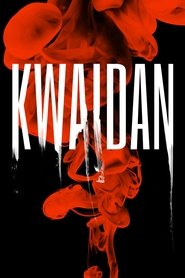
An avant-garde composer who treated silence and noise as music. From the poetic horror of “Kwaidan” to the tragedy of “Ran” with Kurosawa.
Filmography → -

Michel Legrand
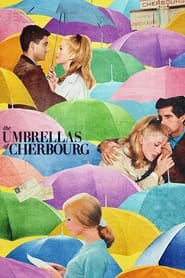
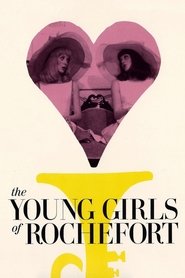
Jazz and French chanson for the New Wave. With Jacques Demy he made “The Umbrellas of Cherbourg”, a film in which every word is sung.
Filmography → -

John Williams
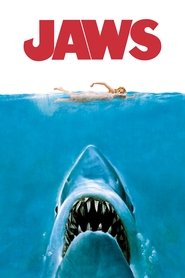
Two notes for a shark and a fanfare for a galaxy: he brought the full orchestra back to mainstream cinema and wrote the themes everyone can hum.
Filmography → -

Joe Hisaishi
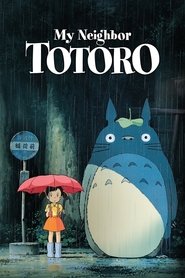
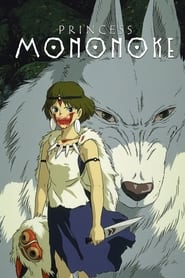
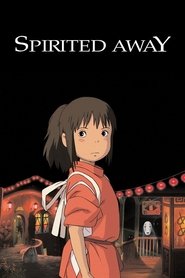
The musical voice of Studio Ghibli: simple piano melodies that grow into full orchestra, in almost every Hayao Miyazaki film.
Filmography → -
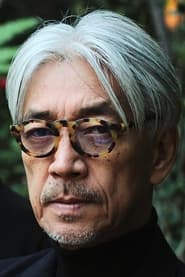
Ryūichi Sakamoto
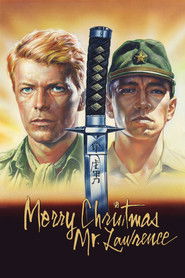
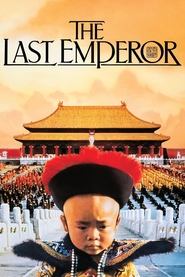
An electronic pioneer with Yellow Magic Orchestra, he won the Oscar for “The Last Emperor” and kept experimenting with sound until the end.
Filmography → -

Alberto Iglesias
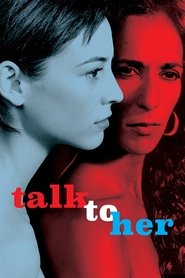
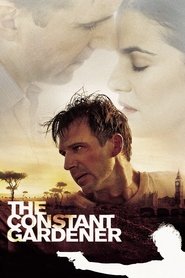
The San Sebastián-born composer for Almodóvar and Julio Medem, and the Spaniard with the most Oscar nominations for music. Intimate strings and contained tension.
Filmography → -

Hildur Guðnadóttir
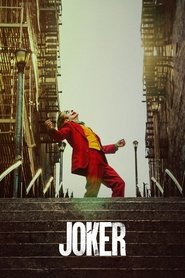
An Icelandic cellist who composes from texture and silence. She won the Oscar for “Joker”, a score built on her cello.
Filmography →





Film music milestones
-
1908
Camille Saint-Saëns writes one of the first scores composed specifically for a film.
The Assassination of the Duke de Guise (1908) → -
1927
Synchronised songs herald the end of silent film and of live musicians in theatres.
The Jazz Singer (1927) → -
1933
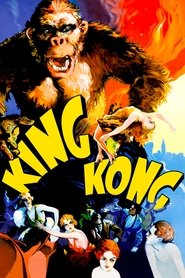
Max Steiner writes a symphonic score from start to finish and sets the Hollywood template.
King Kong (1933) → -
1960
Bernard Herrmann's violins in the shower scene: music as a knife.
Psycho (1960) → -
1966
Morricone and Leone: whistles, electric guitars and choirs change the sound of the western for good.
The Good, the Bad and the Ugly (1966) → -
1977
John Williams brings the full symphony orchestra back to blockbuster cinema.
Star Wars (1977) → -
1982
Vangelis's synthesisers give the future its sound: cold, melancholy and full of rain.
Blade Runner (1982) → -
2020
Hildur Guðnadóttir wins the Oscar with a score built on her cello.
Joker (2019) →