Atlas of Cinema
The movements that changed cinema, country by country and decade by decade. Pick an era, explore the map and find out where what you watch comes from.
Your map could not be loaded. Please try again.
You have not marked any film as watched yet.
Sign in to see which countries the films you have watched come from.
Sign inYou have watched something from every movement in the atlas.
Movements you are missing:
Germany
Russia
Ukraine
United States
France

Mexico


Italy

Japan
India

Poland

United Kingdom

Brazil
Czechia

Slovakia
Spain

Senegal


Mali
Burkina Faso
Cuba
Argentina
Chile
Bolivia
Iran

Hong Kong

Taiwan


China

Denmark
South Korea
Romania

Greece

-
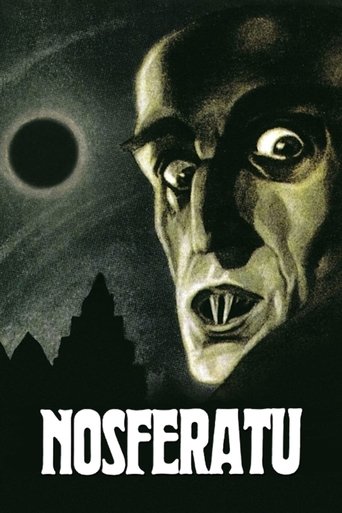
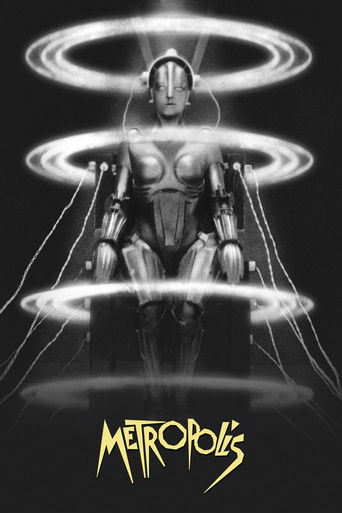
1919–1933 · Germany
German Expressionism
Crooked sets, painted shadows and monsters that speak of a Germany broken by war. Its light and its dread went on to shape Hollywood horror and film noir.
-
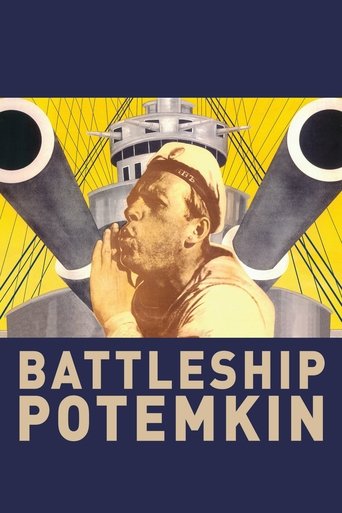
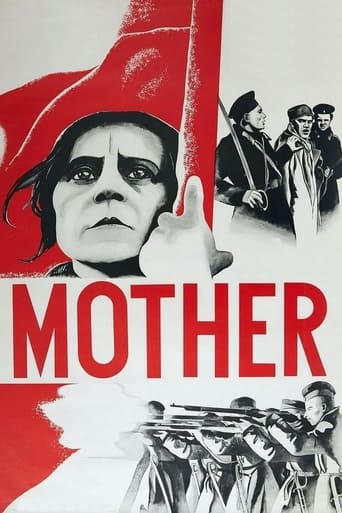
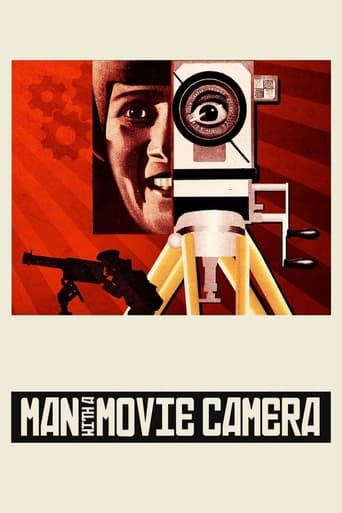
1924–1934 · Russia · Ukraine
Soviet montage
The idea that meaning is born from the clash of two shots. The filmmakers of the revolution invented a grammar that every trailer still uses.
-
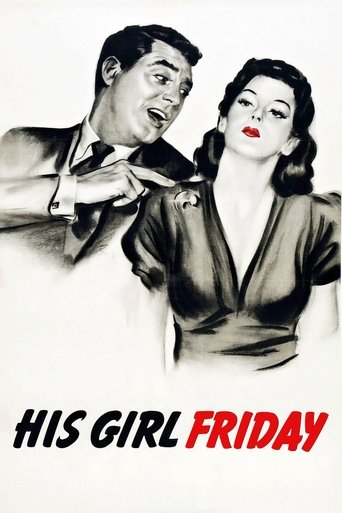
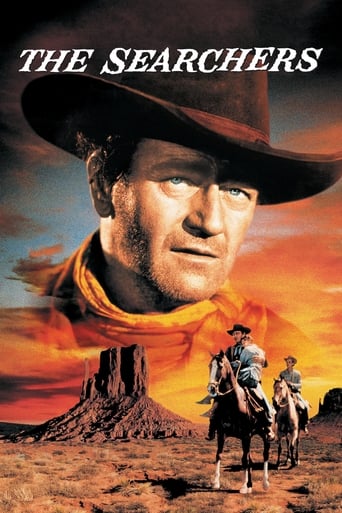
1930–1960 · United States
Classical Hollywood
The big studios, the stars and the genres: westerns, musicals, noir, comedy. A factory that made invisible storytelling the language of the world.
-
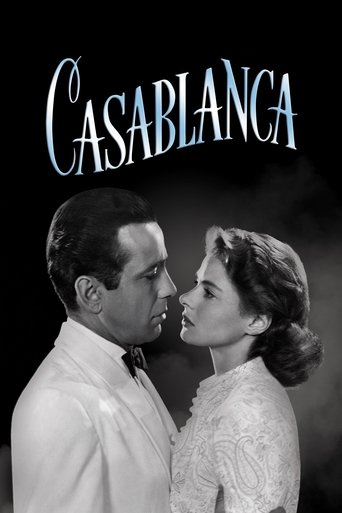
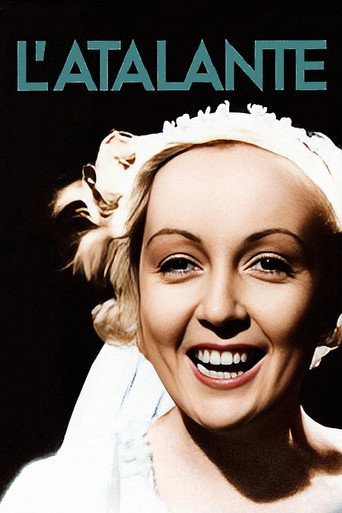
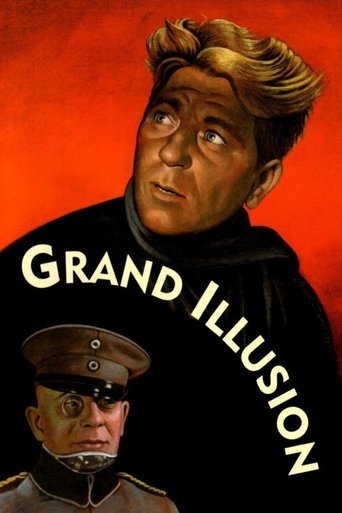
1932–1940 · France
French poetic realism
Foggy harbours, doomed love and ordinary people trapped by fate. French cinema between the wars, melancholy and studio-made, before the occupation.
-
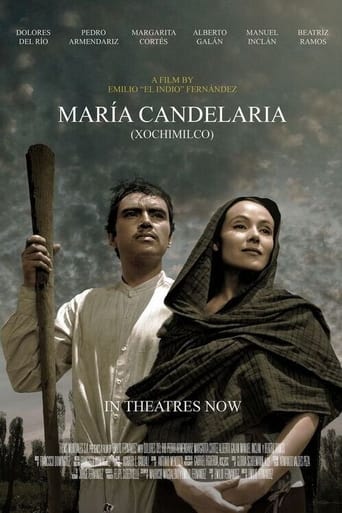
1936–1959 · Mexico
Golden Age of Mexican cinema
Melodramas, ranchera musicals and Gabriel Figueroa’s skies. For two decades Mexico was the great Spanish-language film industry, with its own stars and its own eye.
-
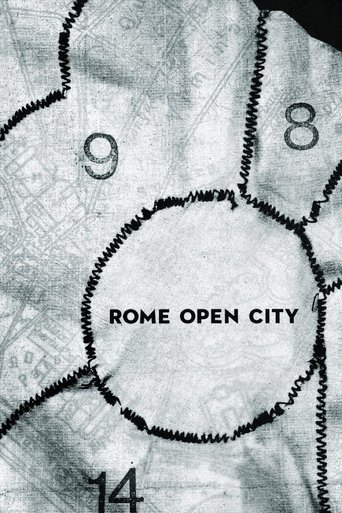
1943–1955 · Italy
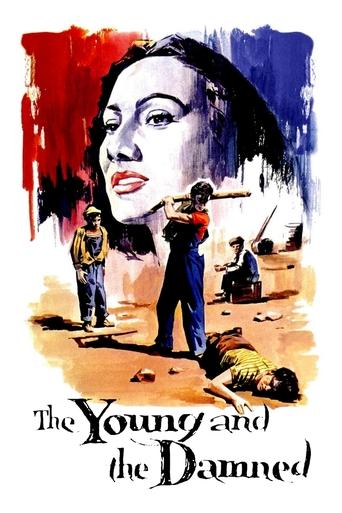
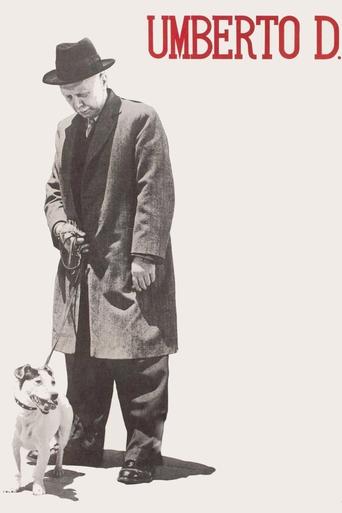
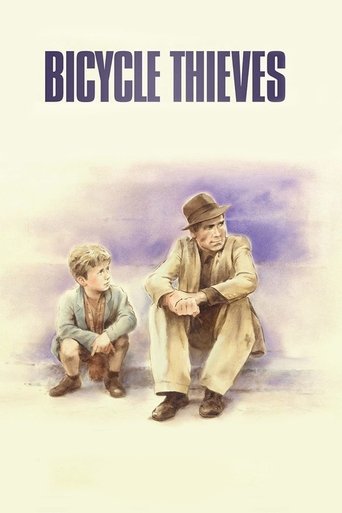
Italian Neorealism
Cameras in the street, non-professional actors and an Italy in ruins. After the war, cinema left the studios to look people in the eye.
-
1950–1965 · Japan
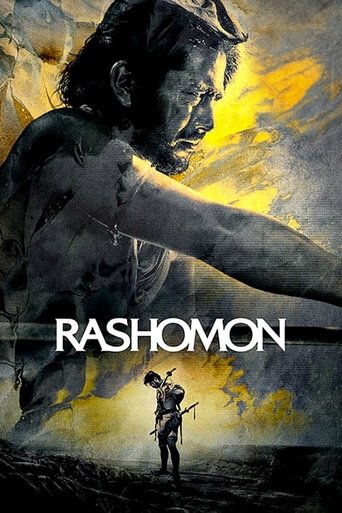
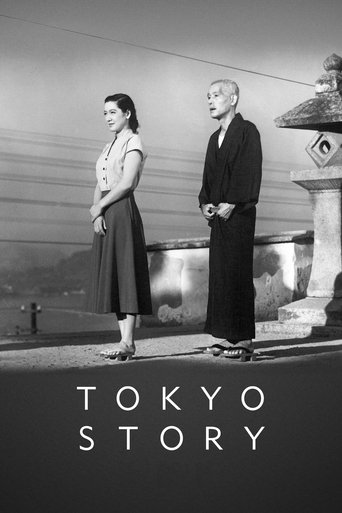
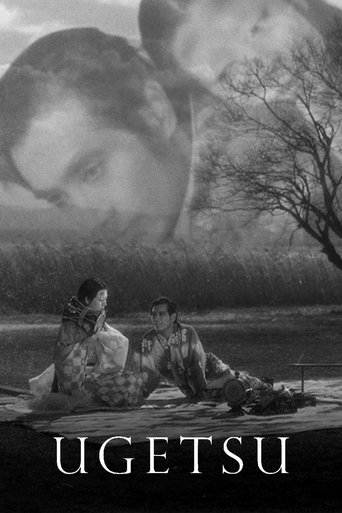
Golden Age of Japanese cinema
The Golden Lion for “Rashomon” opened the West to a cinema that was already immense: samurai, ghosts and families quietly coming apart.
-
1955–1985 · India
Indian Parallel Cinema
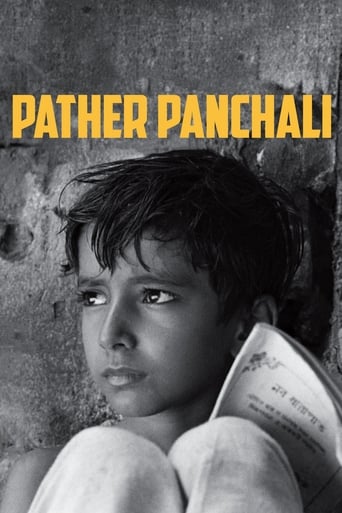
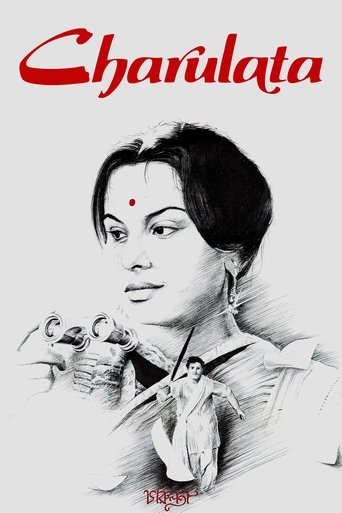
Against Bombay musicals, a Bengali and regional cinema, realist and auteur-driven. “Pather Panchali” put it on the map and Satyajit Ray took it worldwide.
-
1955–1963 · Poland
Polish Film School
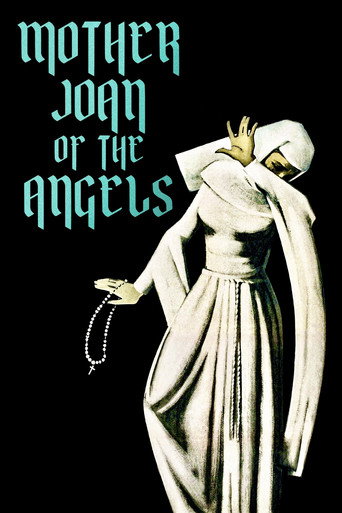
With the thaw, a generation from Łódź dared to revisit the war without official heroics: sewers, doubts and young men dying for nothing.
-
1956–1966 · United Kingdom
British Free Cinema
Angry young men, factories, pubs and terraced houses. British cinema swapped drawing rooms for the working class of northern England, with rage and no frills.
-
1958–1968 · France
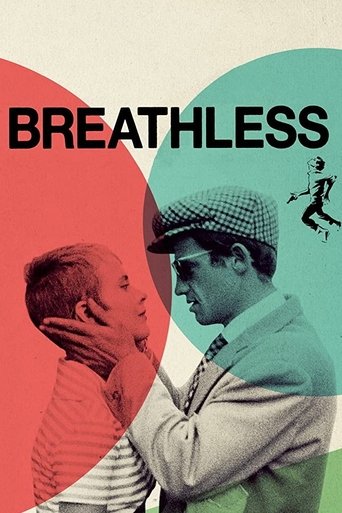
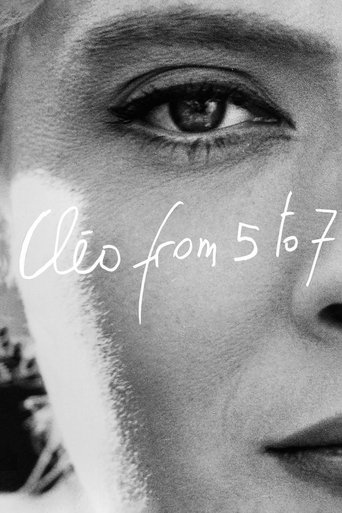
French New Wave
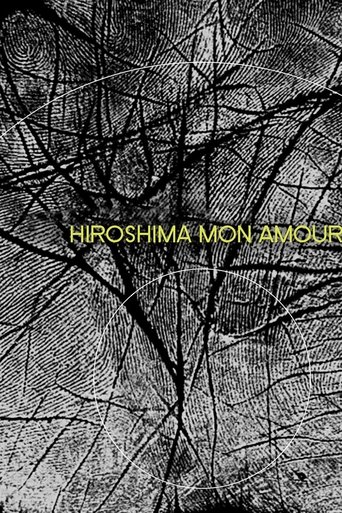
Cahiers du cinéma critics who picked up the camera: shooting in the street, jump cuts and the idea that the director is the author. Nothing was the same again.
-
1960–1972 · Brazil
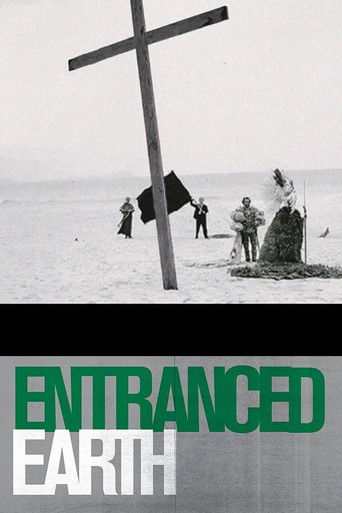
Cinema Novo
“A camera in the hand and an idea in the head.” The Brazil of the sertão, hunger and revolt, shot on little money with an aesthetic of violence.
-
1962–1969 · Czechia · Slovakia
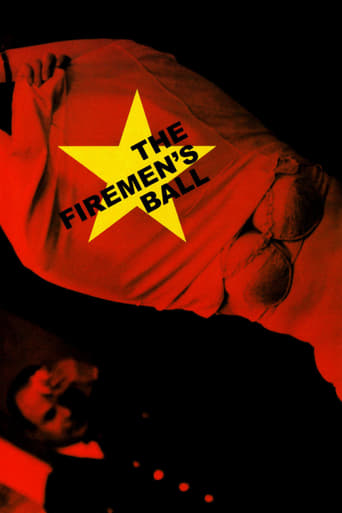
Czechoslovak New Wave
Absurd humour, surrealism and plenty of irony aimed at socialist bureaucracy. It bloomed with the Prague Spring and Soviet tanks cut it short.
-
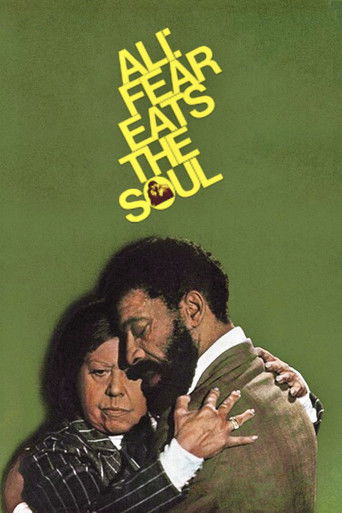
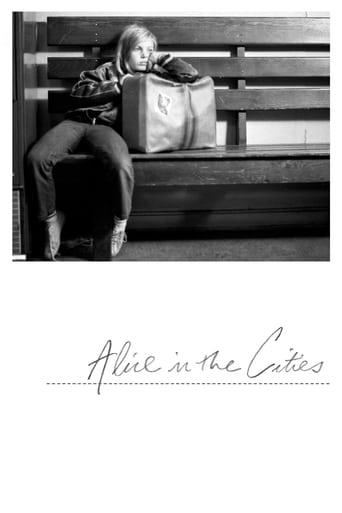
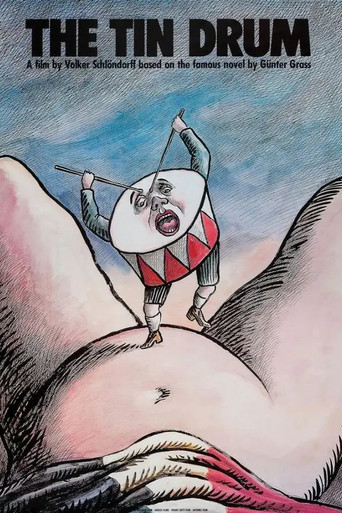
1962–1982 · Germany
New German Cinema
“Papa’s cinema is dead,” declared the Oberhausen Manifesto. A generation with no cinematic fathers confronted the Nazi past and the economic miracle.
-
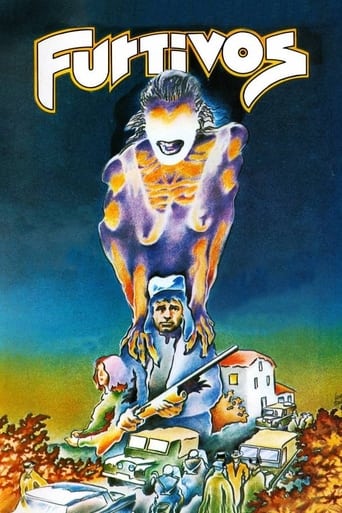
1962–1977 · Spain
New Spanish Cinema
Under Franco’s censorship, cinema learned to speak in metaphors: hunts, beehives and shuttered houses. The Official Film School produced an adult, auteur vision.
-
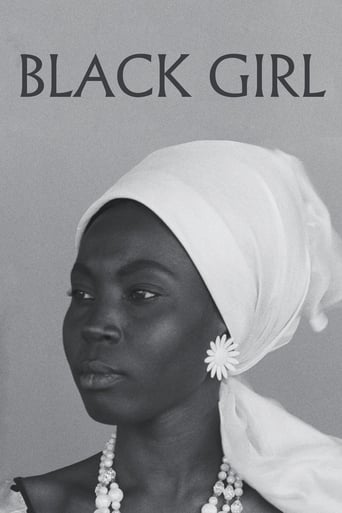
1963–1995 · Senegal · Mali · Burkina Faso
Postcolonial African cinema
After independence, Africa filmed itself for the first time. Sembène, the “father of African cinema”, and the FESPACO festival in Ouagadougou gave it a voice and a home.
-
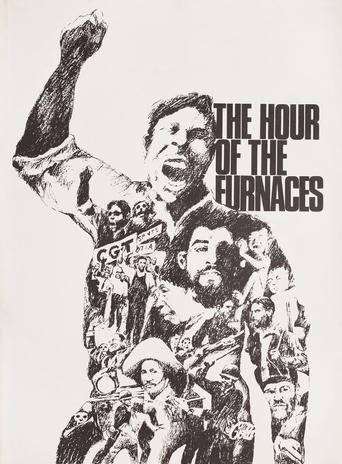
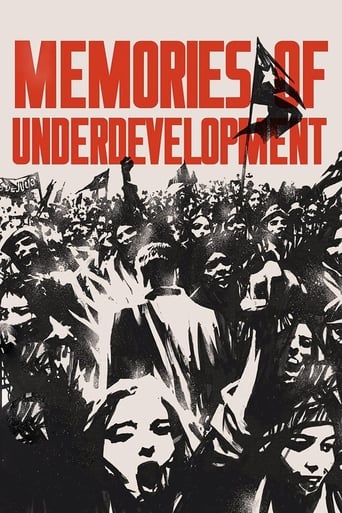
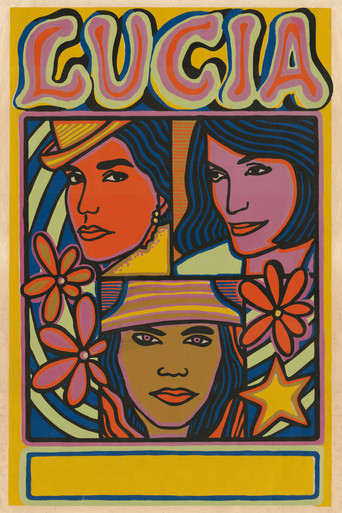
1966–1976 · Cuba · Argentina · Chile · Bolivia
New Latin American Cinema
A “third cinema”, neither Hollywood nor European auteur: militant, documentary and continental. From Havana to Santiago, filming meant taking sides.
-
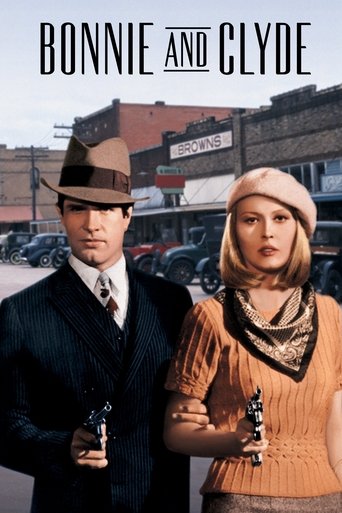
1967–1980 · United States
New Hollywood
With the studios in crisis, a generation of film buffs took power: antiheroes, violence, bitter endings and the shadow of Vietnam and Watergate.
-
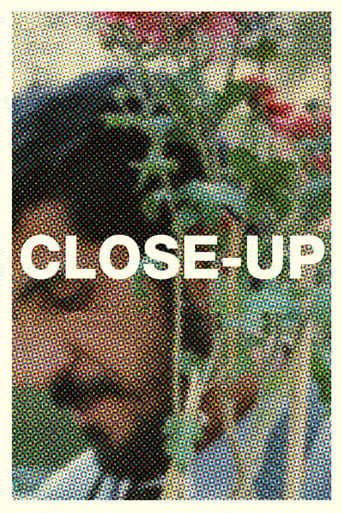
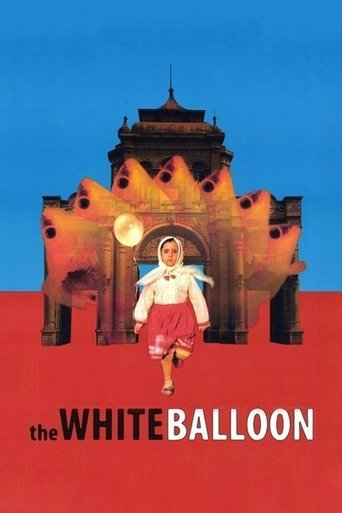
1969–2005 · Iran
Iranian New Wave
Children, cars, zigzag roads and the blurred line between documentary and fiction. With censorship overhead, Iran made one of the freest cinemas in the world.
-
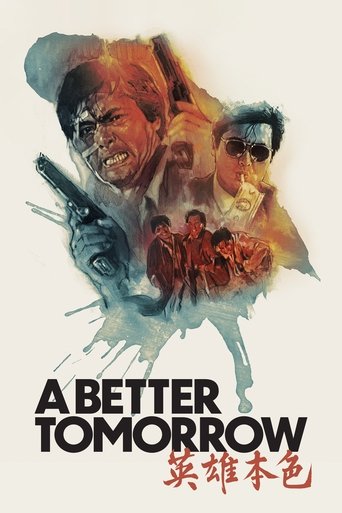
1979–2000 · Hong Kong
Hong Kong New Wave
Slow-motion shootouts, martial arts and love in neon corridors. A city in a hurry to film itself before returning to China in 1997.
-
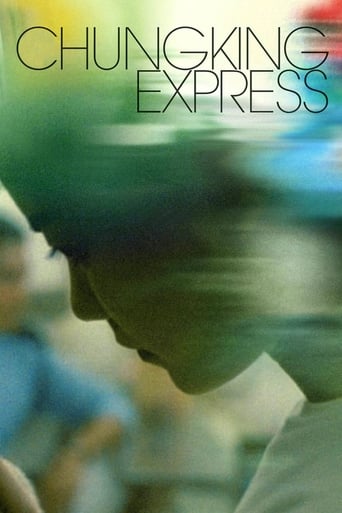
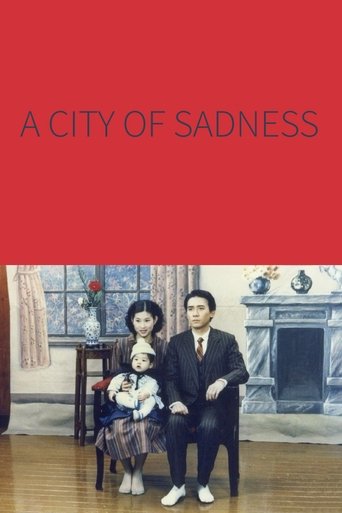
1982–2000 · Taiwan
Taiwanese New Wave
Long takes, family memory and the island’s silenced history. After martial law, Taiwan told its own story patiently and without melodrama.
-
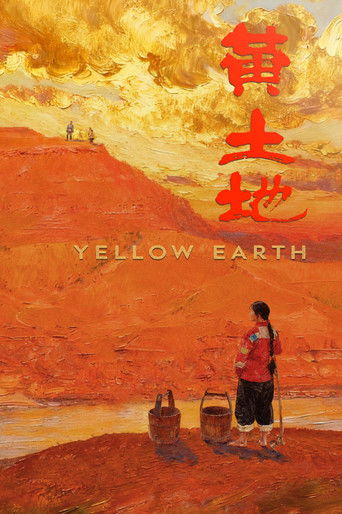
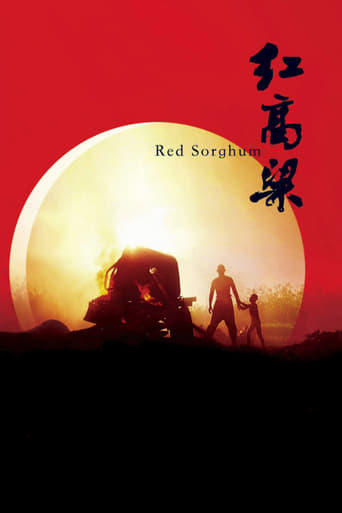
1984–1993 · China
Chinese Fifth Generation
The first class of the Beijing Film Academy after the Cultural Revolution. Colour, landscape and peasants instead of propaganda.
-
1995–2005 · Denmark
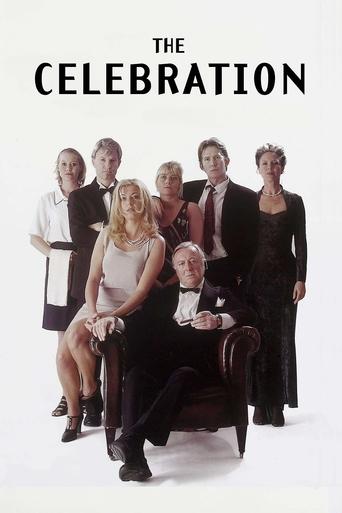
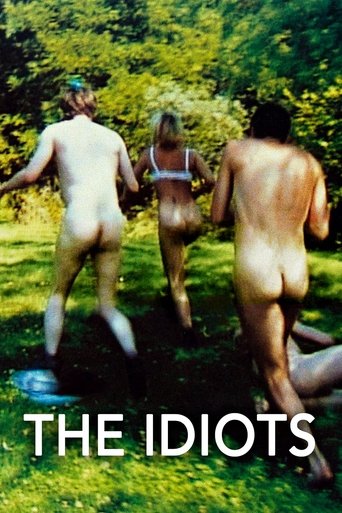
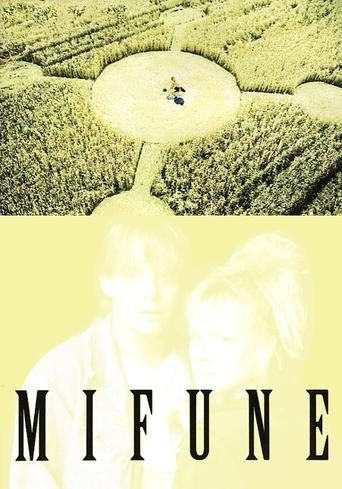
Dogme 95
A ten-rule “vow of chastity”: handheld camera, natural light, no added music and no tricks. A half-joking manifesto that shook up nineties cinema.
-
1995–2010 · Argentina
New Argentine Cinema
Film schools, tiny budgets and the 2001 crisis in the background. Small, dry stories that portrayed a country falling apart.
-
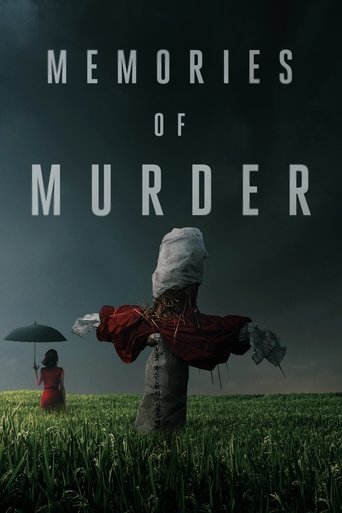
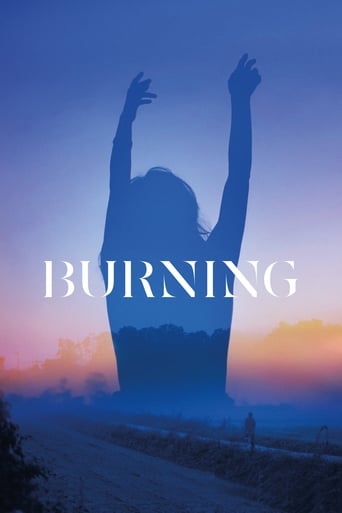
1996–now · South Korea
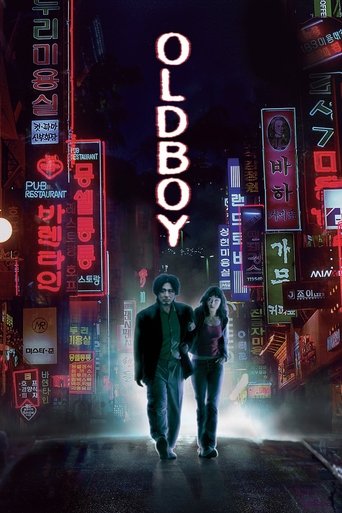
Korean New Wave
The end of censorship and generous screen quotas built an industry that mixes genres shamelessly. It reached the top with the Oscar for “Parasite”.
-
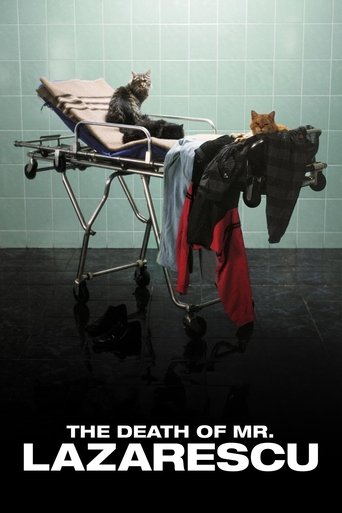
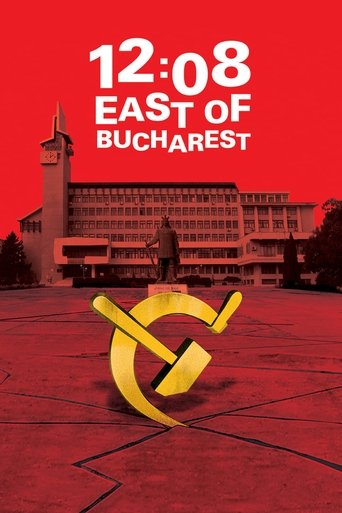
2001–now · Romania
Romanian New Wave
Static shots, real time and Kafkaesque bureaucracy inherited from communism. On very little money, Romania started winning at Cannes year after year.
-
2009–now · Greece
Greek Weird Wave
Locked-up families, robotic dialogue and absurd rituals in the middle of the debt crisis. The “weird wave” that took Lanthimos from Athens to Hollywood.