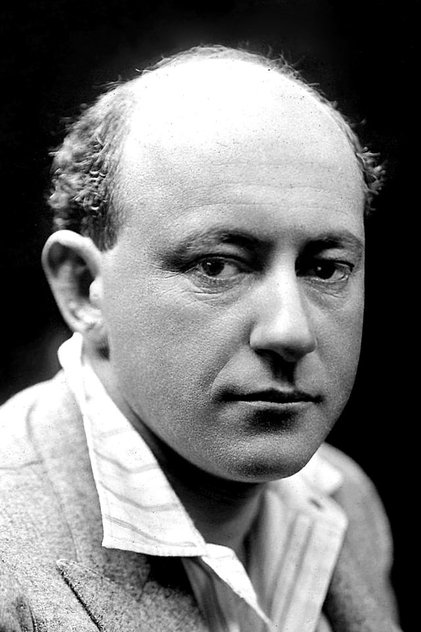
- Born
- Died
- Place
Cecil B. DeMille
Cecil Blount DeMille (August 12, 1881 – January 21, 1959) was an American filmmaker, known as a founder of the Hollywood motion-picture industry, one of the most commercially successful producer-directors of his time, and one of the most influential filmmakers in history. Between 1914 and 1956, he made seventy feature films; all but seven were profitable. Cecil B. DeMille is synonymous with religious epics: The King of Kings, Samson and Delilah, and The Ten Commandments (1956). He blended spectacle, sex, and spellbinding narrative to convey a message of faith.
It was DeMille who created the image of the omnipotent director, megaphone in hand, wearing boots and a visored cap. DeMille gave Hollywood numerous stars: Wallace Reid, Gloria Swanson, William (“Hopalong Cassidy”) Boyd, Claudette Colbert, Robert Preston, Jean Arthur, and Charlton Heston.
DeMille created the posts of studio story editor, art director, and concept artist. He was one of the first to use theatrical lighting on a movie set. In the late 1920s, when Hollywood converted to sound films, DeMille defied the sound experts, liberating the camera from a confining booth, and implementing the microphone boom.
DeMille’s authority extended beyond the confines of his studio. He was a power in aviation, banking, politics, and real estate. In the 1930s, his fame as a filmmaker was surpassed by his fame as a radio star.
He was a founder of the Academy of Motion Picture Arts and Sciences, an institution from which he eventually won two awards. In 1953 his film The Greatest Show on Earth won the Award for Best Picture of 1952; and he was presented with the Irving G. Thalberg Memorial Award.
DeMille’s influence on world culture is incalculable, but there are estimates and milestones. His biography of Jesus Christ, The King of Kings, was a silent film, but because of a unique distribution arrangement, it was eventually seen by 800 million viewers. Samson and Delilah (1949) and The Ten Commandments (1956) are still listed with the top ten all-time box-office champions. They continue to generate revenue and provoke thought.
As director
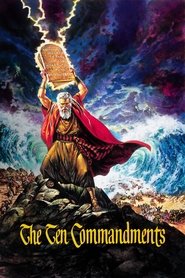
The Ten Commandments
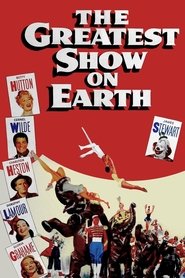
The Greatest Show on Earth
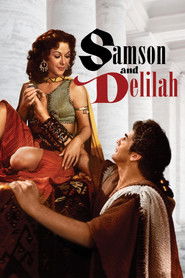
Samson and Delilah

Unconquered
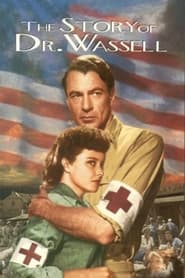
The Story of Dr. Wassell

Reap the Wild Wind
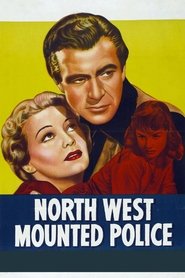
North West Mounted Police
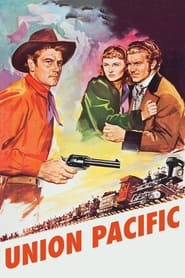
Union Pacific
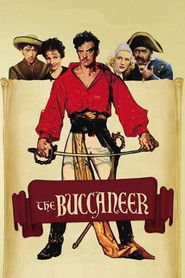
The Buccaneer
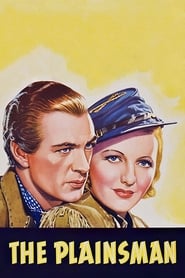
The Plainsman
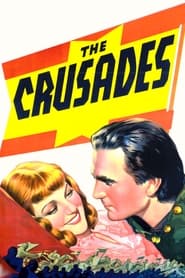
The Crusades
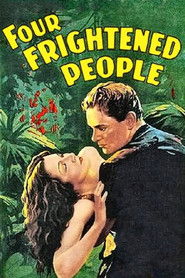
Four Frightened People
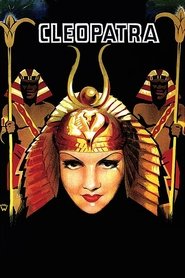
Cleopatra
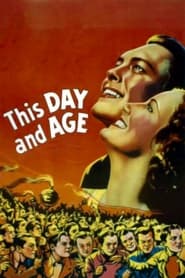
This Day and Age
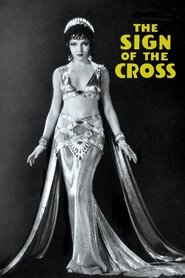
The Sign of the Cross

The Squaw Man
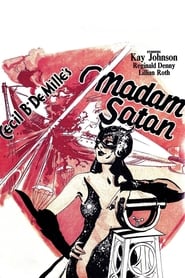
Madam Satan

Dynamite
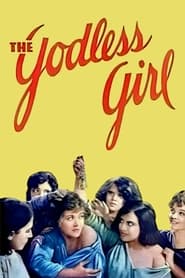
The Godless Girl
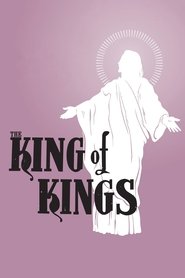
The King of Kings

The Volga Boatman

The Golden Bed
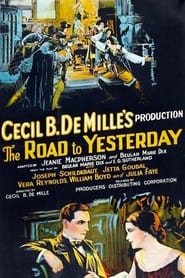
The Road to Yesterday

Feet of Clay
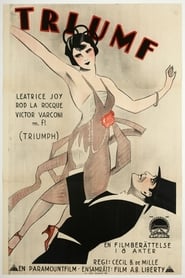
Triumph
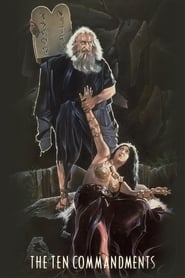
The Ten Commandments
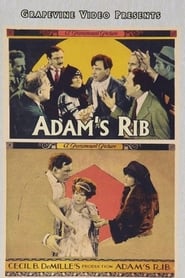
Adam's Rib
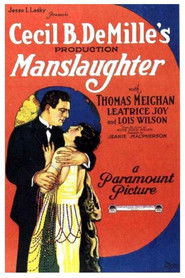
Manslaughter
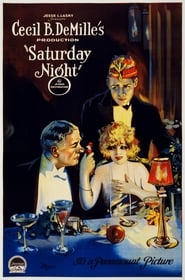
Saturday Night

Forbidden Fruit
As actor
Indiana Jones: The Search for the Lost Golden Age
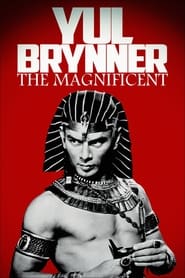
Yul Brynner, the Magnificent
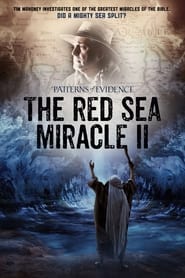
Patterns of Evidence: The Red Sea Miracle II
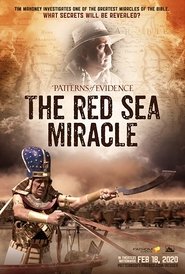
Patterns of Evidence: The Red Sea Miracle
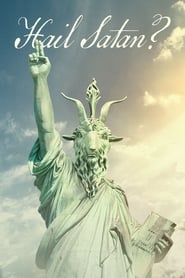
Hail Satan?

Sword-and-Sandal: The Story of the Period Epic

The Lost City of Cecil B. DeMille
Fascination: Unauthorized Story of Marilyn Monroe

Why Be Good?: Sexuality & Censorship in Early Cinema
The Making of The Ten Commandments

The Casting Couch
All-Time Movie Greats
Going Hollywood: The '30s
Hollywood Out-takes and Rare Footage
Showbiz Ballyhoo

Hooray for Hollywood
Brother, Can You Spare a Dime?

The Buccaneer
The Buster Keaton Story
The Ten Commandments
Son of Paleface
The Greatest Show on Earth
The Fallbrook Story
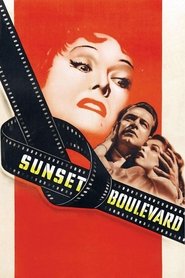
Sunset Boulevard
Samson and Delilah
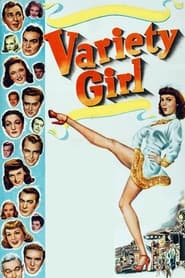
Variety Girl

Jens Mons in America
Unconquered

Screen Snapshots (Series 25, No. 1): 25th Anniversary
The Story of Dr. Wassell