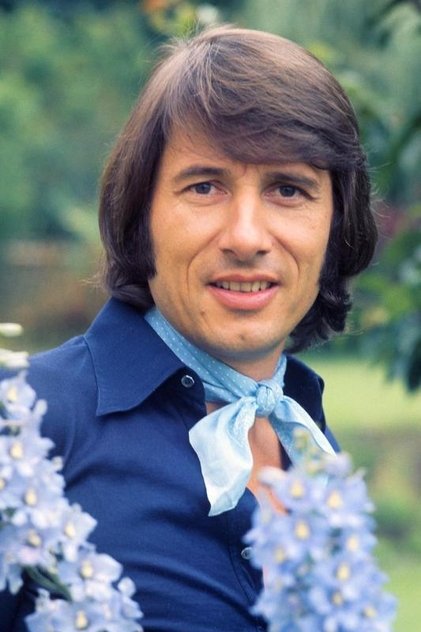
- Born
- Died
- Place
Udo Jürgens
Jürgen Udo Bockelmann (since 2010 as Udo Jürgens Bockelmann; 30 September 1934 – 21 December 2014), better known as Udo Jürgens, was an Austrian composer and singer of popular music whose career spanned over 50 years. He won the Eurovision Song Contest 1966 for Austria, composed close to 1,000 songs, and sold over 104 million records. In 2007, he additionally obtained Swiss citizenship.
He is credited with broadening German-language pop music beyond the traditional post-war "Schlager" (hit song) in the 1950s by infusing it with a modern pop appeal and French chanson style. His compositions and arrangements attracted fans of all ages. Until his death at age 80, he continued to fill venues in Germany, Austria, and Switzerland.
In 1952, Udo Bolan, as he was called then, formed the Udo Bolan Quartet in Klagenfurt, Austria, appearing regularly at the Café Obelisk in Klagenfurt with Englishman Johnny Richards on drums, Klaus Behmel on guitar, and Bruno Geiger on Bass. The quartet played regularly at various dance and jazz venues and also broadcast on Radio Alpenland and the British Forces Radio network produced by Mike Fior.
In 1950, he won a composer contest organized by Austria's public broadcasting channel ORF with the song "Je t'aime". He wrote the 1961 worldwide hit "Reach for the Stars", sung by Shirley Bassey.
In 1964, Jürgens represented Austria for the first time at the Eurovision Song Contest 1964 with the song "Warum nur, warum?", finishing sixth. The UK participant, Matt Monro, was impressed with the melody and covered the song (with English lyrics by his manager Don Black) as "Walk Away", which reached number four in the UK Singles Chart and number 23 in the US Billboard Hot 100 chart.
Jürgens' song "Sag ihr, ich lass sie grüßen" came fourth in 1965's contest, and on his third try, he won the Eurovision Song Contest 1966 in Luxembourg with "Merci, Chérie", which became an English-language hit for Vince Hill, another cover by Monro, and one of Jürgens' most recognized compositions. Jürgens' version alone sold over one million copies, and he was awarded a gold disc by Deutsche Vogue in 1966.
As actor
UDO!
Udo Jürgens Forever
Stars unterm Funkturm – Die Zeit der großen Unterhaltungsshows
Schlager nonstop Die 60er – Merci, Cherie
Weihnachten mit Udo Jürgens
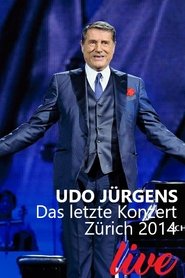
Udo Jürgens - Das letzte Konzert: Zürich 2014
Von Udo Jürgens bis Helene Fischer
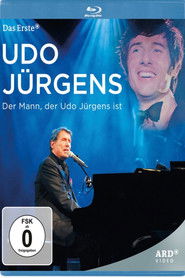
Der Mann, der Udo Jürgens ist

Die Helene Fischer Show 2014
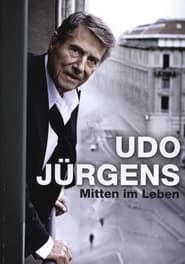
Udo Jürgens - Mitten im Leben

Merci Udo Jürgens
Sing! Inge, Sing!
Leonard Cohen: Bird on a Wire
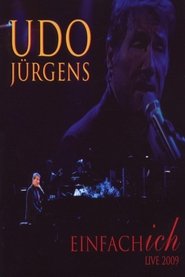
Udo Jürgens - Einfach ich - Live 2009
Udo Jürgens - Jetzt oder nie: Live
Udo Jürgens - Der Solo-Abend - Live am Gendarmenmarkt
Udo Jürgens - Es lebe das Laster - Live 2004
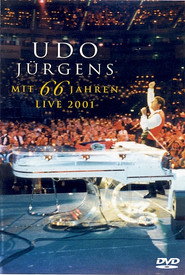
Udo Jürgens: Mit 66 Jahren - Live 2001

Alexandra – die Legende einer Sängerin
Ein Abend in Gold

Udo Jürgens – Aber bitte mit Sahne´77
Glücksspirale
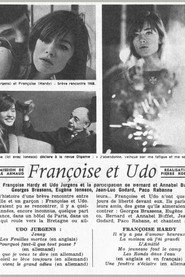
Françoise et Udo...
Paris nach Noten
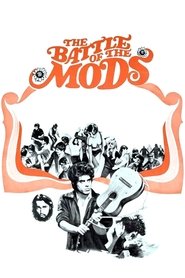
The Battle of the Mods
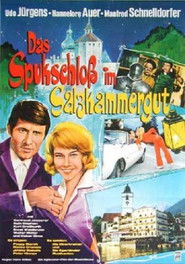
The Haunted Castle in Salzkammergut
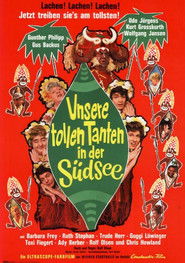
Unsere tollen Tanten in der Südsee
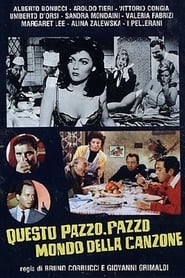
Questo pazzo, pazzo mondo della canzone
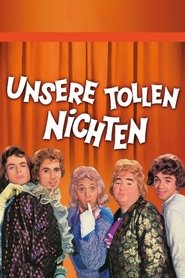
Unsere tollen Nichten
Hochzeit am Neusiedler See