
- Born
- Place
Claude Lelouch
Claude Barruck Joseph Lelouch (born 30 October 1937) is a French film director, writer, cinematographer, actor and producer. Lelouch grew up in an Algerian Jewish family. He emerged as a prominent director in the 1960s. Lelouch gained critical acclaim for his 1966 romantic melodrama film A Man and A Woman. At the 39th Academy Awards in 1967, A Man and a Woman won Best Original Screenplay and Best Foreign Language Film. Lelouch was also nominated for Best Director. While his films have gained him international recognition since the 1960s, Lelouch's methods and style of film are known for attracting criticism.
Lelouch was born in the 9th arrondissement of Paris to Charlotte (née Abeilard) and Simon Lelouch.
His father was born to an Algerian Jewish family while his mother was a convert to Judaism. Lelouch says that his first contact with cinema was very young: "My mother hid me in movie theaters when I was little. We were wanted by the Gestapo. [...] Cinema, for starters, saved my life." Of his personal faith, he says "Today I believe in God. My faith was sparked when I made a film in Israel. Over there, it is impossible not to believe in God. I loved the places of worship of all the religions. Everything which happens is for the best. I sometimes have the feeling that my inspiration comes from heaven. I think it is wonderful to be Jewish."
His father bought him a camera as a fresh start after his failure in the baccalaureat. He started his career with a reportage – one of the first to film daily life in the Soviet Union, with the camera hidden under his coat as he made his personal journey. He also filmed sporting events, like the 24 Hours of Le Mans and the Tour de France.
Lelouch served in the French Army working in the film unit where he made over 100 films. He was demobilized in 1960.
His first full-length film as director, Le Propre de l'homme, was decried by the critics: "Claude Lelouch, remember this name well, because you will not hear it again" – Cahiers du cinéma said. La femme spectacle (1963), following prostitutes, women shopping, going for nose-jobs, was censored for its misogynist tendency. A Man and a Woman changed his fortunes and was met with favour even by the Cahiers group.
As director

At the End of the Day
Love Is Better Than Life

Le Grand Rendez-Vous
The Best Years of a Life
Dance of Chance
Everyone's Life
Un + une

We Love You, You Bastard
D'un film à l'autre
What War May Bring
To Each His Own Cinema
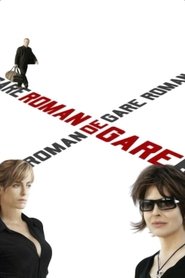
Crossed Tracks
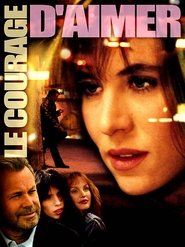
The Courage to Love
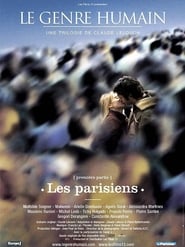
Le genre humain - 1ère partie: Les Parisiens

And Now... Ladies and Gentlemen...
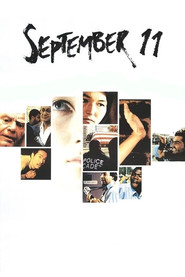
September 11
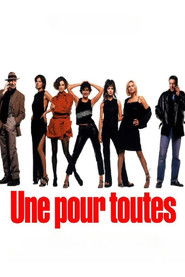
One 4 All
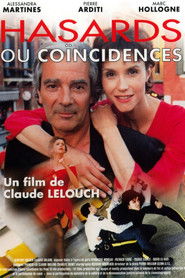
Chance or Coincidence
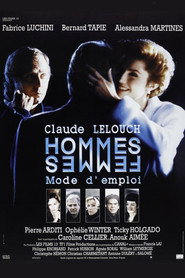
Men, Women: A User's Manual
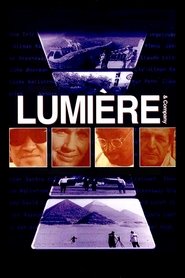
Lumière & Company

Les Miserables
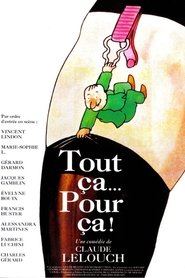
All That... for This?!
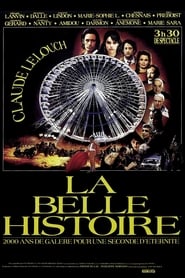
The Beautiful Story
Plan-Séquence
The King of Ads
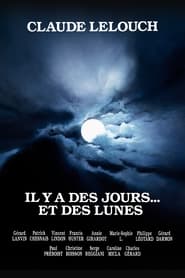
There Were Days... and Moons

Itinerary of a Spoiled Child
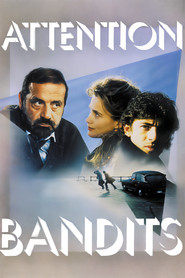
Bandits
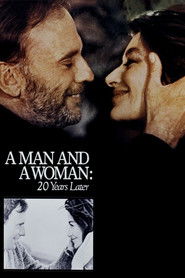
A Man and a Woman: 20 Years Later
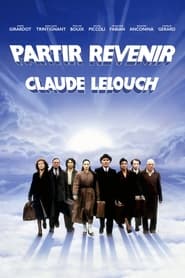
Going and Coming Back
As actor
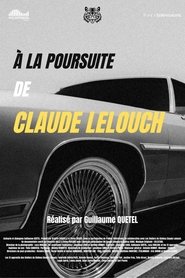
À la poursuite de Claude Lelouch
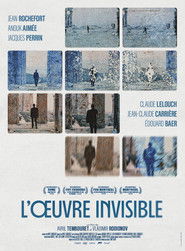
L'Œuvre invisible
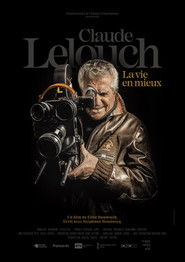
Claude Lelouch, la vie en mieux
Bardot
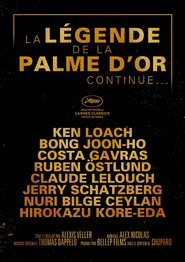
The Legend of the Palme d’Or Continues
Je m'appelle Régine et je vous emmerde !
La Saga du Napoléon d'Abel Gance
Jacques Villeret, drôlement tragique
The Original+
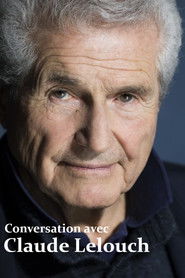
Conversation avec Claude Lelouch
Re-belles

De la piste aux étoiles
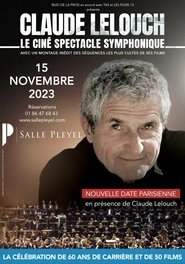
Claude Lelouch - Le symphonique
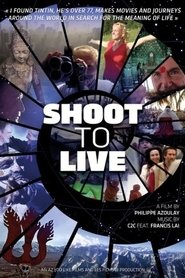
Shoot to Live
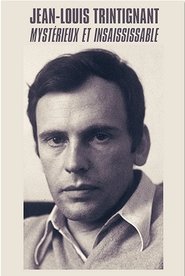
Jean-Louis Trintignant - Mystérieux et insaisissable
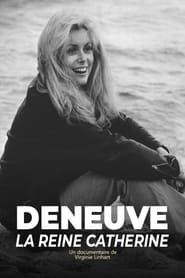
Deneuve, la reine Catherine
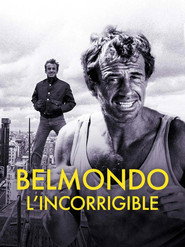
Belmondo: The Incorrigible
Charlotte Rampling, le cinéma comme un essentiel
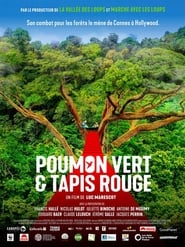
Poumon Vert et Tapis Rouge
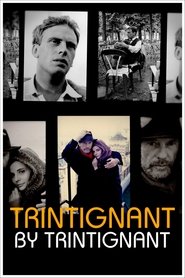
Trintignant by Trintignant
Resistencia Cultural
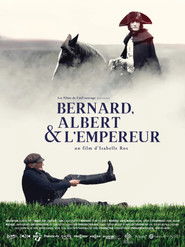
Bernard, Albert et l'Empereur
Hossein, Ronet, Trintignant : Confidences de trois acteurs inoubliables
Annie Girardot selon son cœur
Les Misérables et Victor Hugo : au nom du peuple
Deauville et le rêve américain
Jean-Marie fête Bigard
Bolero: A Global Hit
Boléro, le refrain du monde
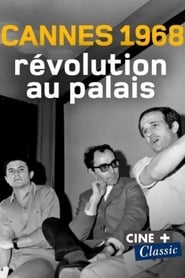
Cannes 1968, révolution au palais