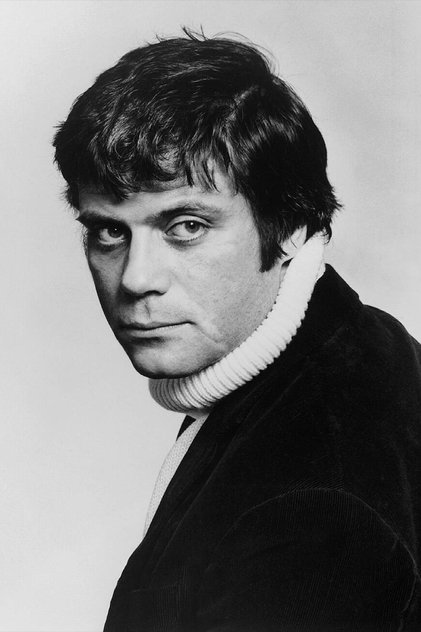
- Nacimiento
- Fallecimiento
- Lugar
Oliver Reed
Robert Oliver Reed (February 13, 1938 – May 2, 1999) was an English actor known for his "hellraiser" lifestyle. After making his first significant screen appearances in Hammer Horror films in the early 1960s, his notable films include The Trap (1966), playing Bill Sikes in the 1968 Best Picture Oscar winner Oliver! (a film directed by his uncle Carol Reed), Women in Love (1969), Hannibal Brooks (1969), The Devils (1971), portraying Athos in The Three Musketeers (1973) and The Four Musketeers (1974); the lover and stepfather in Tommy (1975), Funny Bones (1995) and Gladiator (2000).
For playing Antonius Proximo, the old, gruff gladiator trainer in Ridley Scott's Gladiator, in what was his final film, Reed was posthumously nominated for the BAFTA Award for Best Actor in a Supporting Role in 2000. At the peak of his career, in 1971, British exhibitors voted Reed fifth most popular star at the box office. The British Film Institute (BFI) stated that "partnerships with Michael Winner and Ken Russell in the mid-60s saw Reed become an emblematic Brit-flick icon", but from the mid-1970s his alcoholism began affecting his career, with the BFI adding "Reed had assumed Robert Newton's mantle as Britain's thirstiest thespian".
Como intérprete
Director of Devils
The Devils Original on-set footage

Strength and Honor: Creating the World of 'Gladiator'

Celebrity Naked Ambition
L'esattore (parodia de "Il gladiatore")
Gladiator
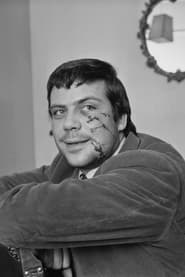
The Real Oliver Reed
Hellraisers
Orpheus & Eurydice
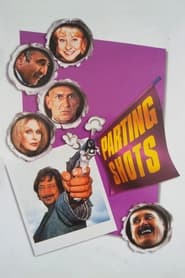
Parting Shots
Monstruo a La Luz De La Luna: La Saga Inmortal Del Hombre Lobo

La Biblia: Jeremías
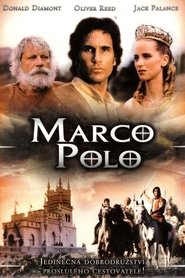
Las aventuras de Marco Polo
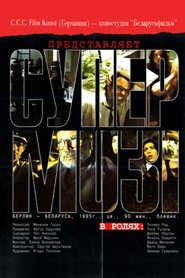
Die Tunnelgangster von Berlin
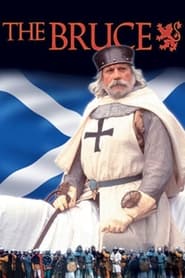
The Bruce

Los comediantes
Luise knackt den Jackpot
Russian Roulette - Moscow 95
The World of Hammer: Lands Before Time
The World of Hammer: Wicked Women
The World of Hammer: Vamp
The World of Hammer: Chiller
The World of Hammer: Trials of War
Severed Ties
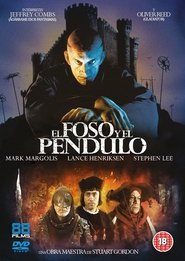
El foso y el péndulo
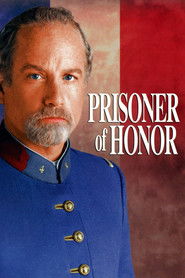
Prisoner of Honor
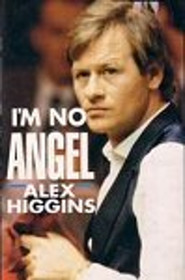
Alex Higgins: I'm No Angel
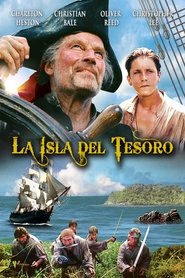
La isla del tesoro
Hired to Kill
El espíritu de Montecarlo