- Nacimiento
- Lugar
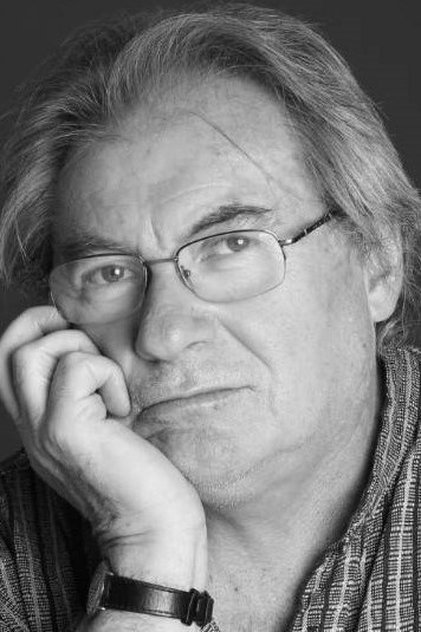
Ignacio Agüero
Ignacio Agüero is one of the most renowned documentary filmmakers in Chile. He studied Architecture and Cinema, and graduated from the School of Communication Arts of the Universidad Católica de Chile, with the title of Artistic Director with a mention in cinema in 1979. He is a founding member of the Association of Documentary Filmmakers of Chile, of which he was its first president.
Although he has stood out for making independent documentaries, he has also worked as a producer, editor, cameraman, actor, and has been a judge in national and international competitions. In 1988 he participated as co-director and editor of "La Franja del NO", a television message in the campaign for the plebiscite that overthrew the dictatorship of Augusto Pinochet.
Parallel to his work as a filmmaker, he has produced numerous works commissioned by television, both national and foreign. Among them, the most important ones: Neruda, all the love (1998), with script by Antonio Skármeta, filmed for Canal + Spain, and several chapters of the series Heredia & asociados, based on the stories of novelist Ramon Diaz Eterovic. From his production company Ignacio Agüero & Asociado, he produced the series Maldito corazón, about historical crimes in Chile, winner of the National Television Council contest and produced for Chilevisión in 2011.
No olvidar (1982), his initial film, touches on the theme of the so-called "Lonquén Ovens Massacre", committed in 1978 and discovered a few years later.
In 1988, Agüero made a documentary that made history, One Hundred Children Waiting for a Train. From misery and marginality, the film tells the innocent story of a group of children who travel from their town to the center of the city to attend a film session for the first time. It was awarded the First Prize for a Documentary at the 1988 Havana Film Festival, the year of its premiere.
In 1993 she premiered the documentary Dreams of Ice, which won the Grand Prize for Documentary at the Mannhein-Heidelberg Festival in 1994, and in 2000 her documentary Aquí se construye, first prize at the Docupolis Festival in Barcelona, and best national documentary at FIDOCS (Santiago de Chile) in 2001. In 2004 he made the documentary La mamá de mi abuela le contó a mi abuela.
Como dirección

Cartas a mis padres muertos
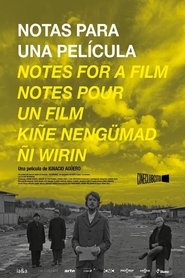
Notas para una película

Nunca subí el Provincia
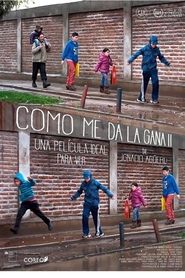
Como me da la gana II
El otro día
El diario de Agustín
La mamá de mi abuela le contó a mi abuela
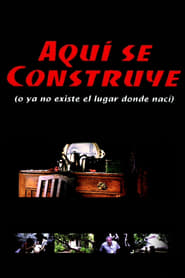
Aquí se construye (o Ya no existe el lugar donde nací)
Sueños de hielo
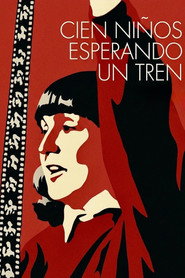
Cien niños esperando un tren
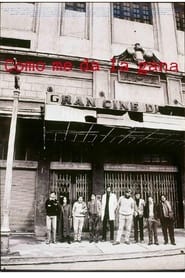
Como me da la gana

No olvidar
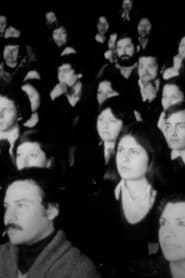
Hoy es jueves cinematográfico
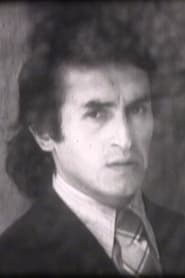
Animal de costumbre

Aquí se construye
El gato
Como intérprete
Notas para una película

Vendrá la muerte y tendrá tus ojos

El Viento Sabe Que Vuelvo A Casa
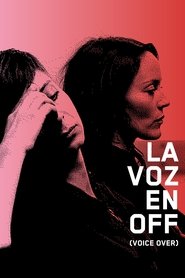
La voz en Off
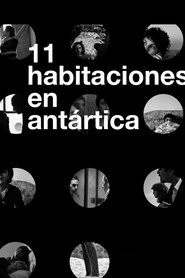
11 Habitaciones en Antártica
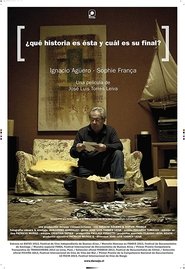
¿Qué historia es ésta y cuál es su final?
El otro día
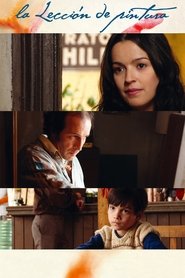
La lección de pintura

Teresa
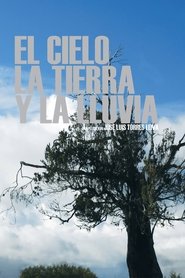
El cielo, la tierra y la lluvia
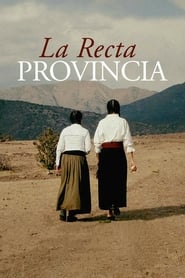
La Recta Provincia

Días de campo
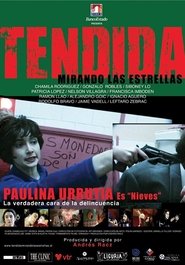
Tendida mirando las estrellas
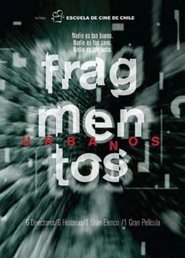
Fragmentos urbanos
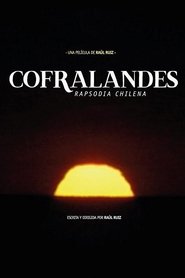
Cofralandes, rapsodia Chilena
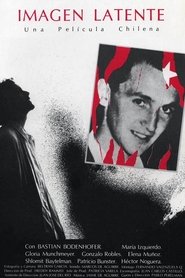
Imagen latente
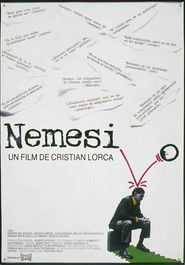
Nemesio