- Born
- Place
Peyton Reed
Peyton Tucker Reed (born July 3, 1964) is an American television and film director. He directed the comedy films Bring It On, Down with Love, The Break-Up, and Yes Man, as well as the superhero film Ant-Man and its sequels.
Reed was born in Raleigh, North Carolina, and attended the University of North Carolina at Chapel Hill, graduating in 1987 with a degree in English and Radio, Television & Motion Pictures. He was a DJ for WXYC, the UNC student radio station, while enrolled at the university. He worked as a van driver on the set of Bull Durham in 1987, which was partially filmed in Raleigh.
Reed's directorial debut, the motion picture Bring It On, was a number one box office hit. He also directed Down with Love and The Break-Up, all comedy films. He has also acted in small roles in some films, including his own, and has written a few original songs for his soundtracks. He has also produced a few music videos.
Peyton Reed was originally set to direct the 20th Century Fox production Fantastic Four before departing the project and being replaced by director Tim Story.
Reed directed the 2008 film Yes Man, starring Jim Carrey. Yes Man is an adaptation of Danny Wallace's autobiography about his decision to say "yes" to whatever offer, invitation, challenge, or opportunity that is presented to him.
Reed replaced Edgar Wright as the director of Ant-Man. Prior to joining the production of Ant-Man, Reed was slated to direct a Brian Epstein biopic, based on the graphic novel The Fifth Beatle. However, his commitment to the superhero film required him to part ways with The Fifth Beatle. Reed then went on to direct Ant-Man and the Wasp, the sequel to Ant-Man. He also directed the third Ant-Man film, Ant-Man and the Wasp: Quantumania.
As director
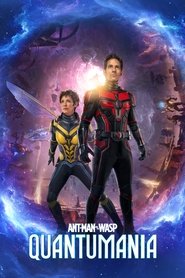
Ant-Man and the Wasp: Quantumania
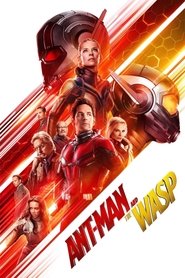
Ant-Man and the Wasp
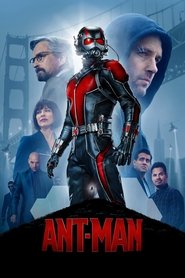
Ant-Man
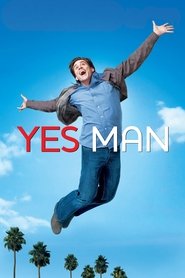
Yes Man

Alba Gu Brath! The Making of 'Braveheart'

The Break-Up
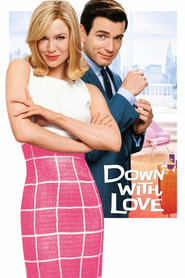
Down with Love
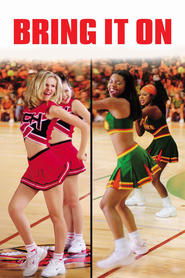
Bring It On
The Love Bug
The Computer Wore Tennis Shoes
Through the Eyes of Forrest Gump
Back to the Future: Dickens of a Christmas
The Secrets of the 'Back to the Future' Trilogy
Almost Beat
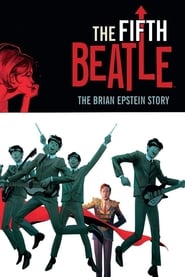
The Fifth Beatle