- Born
- Died
- Place
Otakar Vávra
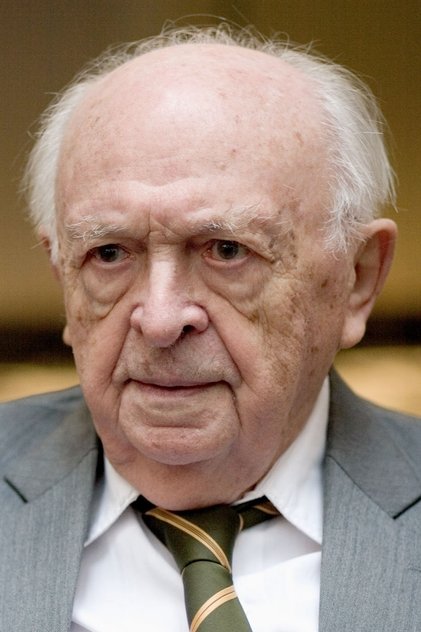
Otakar Vávra (28 February 1911 – 15 September 2011) was a Czech film director, screenwriter and pedagogue.
Vávra attended universities in Brno and Prague, where he studied architecture. During 1929–30, while still a student, he participated in the making of a handful of documentaries and wrote movie scripts. In 1931, he produced the experimental film Světlo proniká tmou. The first movie he directed was 1937's Panenství.
His 1938 film The Merry Wives was praised in Variety for "first-rate direction, a salty yarn and elaborate production effort", even though it had undergone certain cuts because it was considered too "ribald" by American censors.
Vávra was a member of the Communist Party from 1945 to 1989. After the Communists seized power in 1948, Vávra adapted quickly to the new political climate and produced films praising the current regime and supporting the new, official interpretation of the past.
In the 1950s he filmed the "Hussite Trilogy", one of his most famous works, consisting of Jan Hus (1954), Jan Žižka (1955) and Against All (1957).[2]
In the 1960s, Vávra made his most celebrated films Zlatá reneta (1965), Romance for Bugle (1966) and Witchhammer (1969). Romance for Bugle was entered into the 5th Moscow International Film Festival where it won the Special Silver Prize.
As director
Moje Praha
Evropa tančila valčík
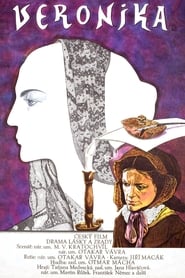
Veronika
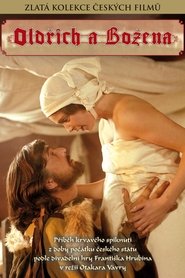
Oldrich and Bozena
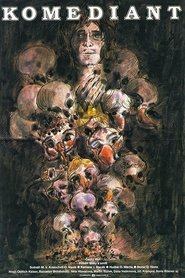
Komediant
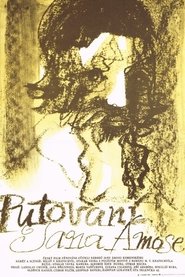
Putování Jana Amose
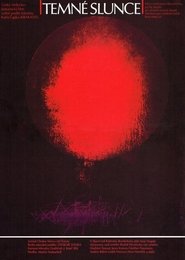
Dark Sun
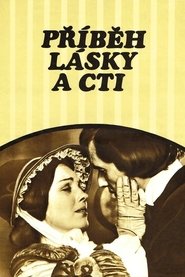
A Story of Love and Honor
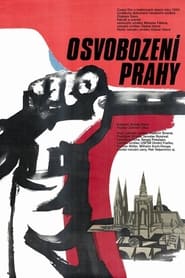
The Liberation of Prague
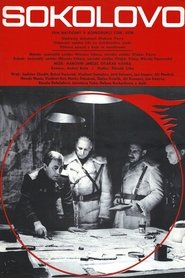
Sokolovo

Days of Betrayal

Witchhammer
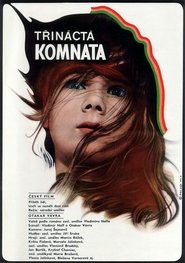
The Thirteenth Chamber
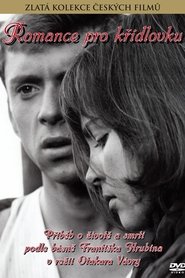
Romance for Bugle
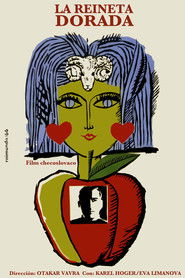
Golden Queen
Horoucí srdce
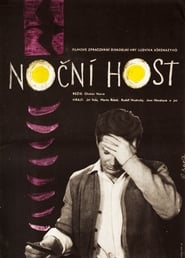
The Night Guest
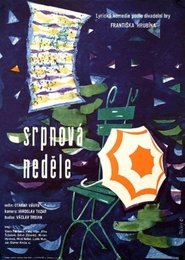
August Sunday
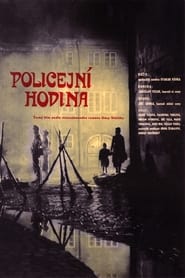
Policejní hodina
Národní umělec Zdeněk Štěpánek

První parta
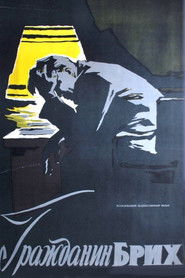
Občan Brych
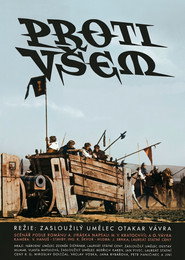
Against All
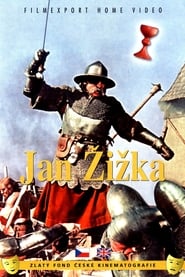
Jan Žižka

Jan Hus
Nástup
Láska
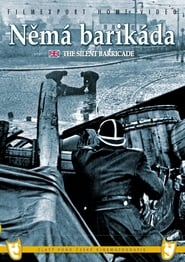
Silent Barricade
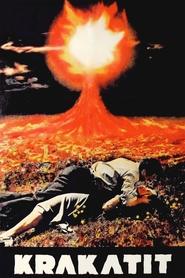
Krakatit
Presentiment