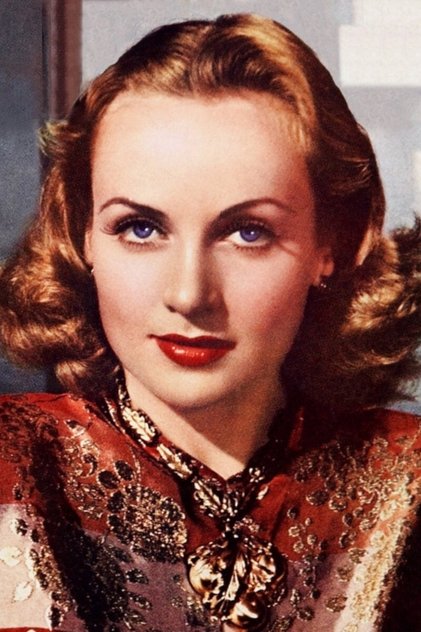
- Born
- Died
- Place
Carole Lombard
From Wikipedia, the free encyclopedia
Carole Lombard (born Jane Alice Peters, October 6, 1908 – January 16, 1942) was an American film actress. She was particularly noted for her energetic, often off-beat roles in the screwball comedies of the 1930s. She was the highest-paid star in Hollywood in the late 1930s. She was the third wife of actor Clark Gable.
Lombard was born into a wealthy family in Fort Wayne, Indiana, but was raised in Los Angeles by her single mother. At 12, she was recruited by the film director Allan Dwan and made her screen debut in A Perfect Crime (1921). Eager to become an actress, she signed a contract with the Fox Film Corporation at age 16, but mainly played bit parts. She was dropped by Fox after a car accident left a scar on her face. Lombard appeared in 15 short comedies for Mack Sennett between 1927 and 1929, and then began appearing in feature films such as High Voltage and The Racketeer. After a successful appearance in The Arizona Kid (1930), she was signed to a contract with Paramount Pictures.
Paramount quickly began casting Lombard as a leading lady, primarily in drama films. Her profile increased when she married William Powell in 1931, but the couple divorced after two years. A turning point in Lombard's career came when she starred in Howard Hawks' pioneering screwball comedy Twentieth Century (1934). The actress found her niche in this genre, and continued to appear in films such as Hands Across the Table (1935) (forming a popular partnership with Fred MacMurray), My Man Godfrey (1936), for which she was nominated for the Academy Award for Best Actress, and Nothing Sacred (1937). At this time, Lombard married "the King of Hollywood", Clark Gable, and the supercouple gained much attention from the media. Keen to win an Oscar, at the end of the decade, Lombard began to move towards more serious roles. Unsuccessful in this aim, she returned to comedy in Alfred Hitchcock's Mr. & Mrs. Smith (1941) and Ernst Lubitsch's To Be or Not to Be (1942)—her final film role.
Lombard's career was cut short when she died at the age of 33 in an airplane crash on Mount Potosi, Nevada while returning from a war bond tour. Today, she is remembered as one of the definitive actresses of the screwball comedy genre and American comedy, and ranks among the American Film Institute's greatest female stars of classic Hollywood cinema.
As actor
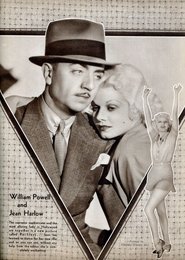
The Love Story of Jean Harlow and William Powell
Normandie ne partira pas ce soir
Carole Lombard
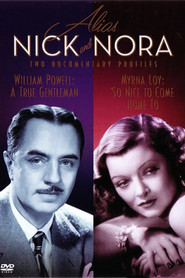
William Powell: A True Gentleman
That's Entertainment! III
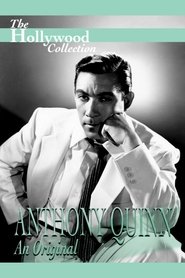
Anthony Quinn: An Original

Death In Hollywood
Two Tragic Blondes - Marilyn Monroe And Jean Harlow

The Making of a Legend: Gone with the Wind
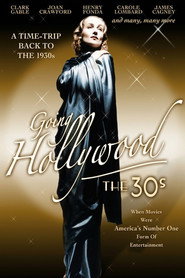
Going Hollywood: The '30s
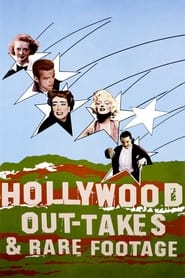
Hollywood Out-takes and Rare Footage
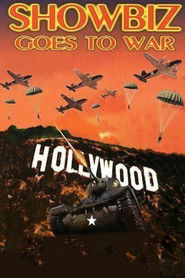
Showbiz Goes to War
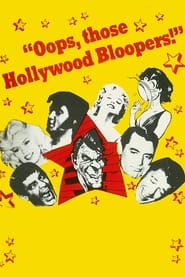
Oops, Those Hollywood Bloopers!
Bob Hope's World of Comedy
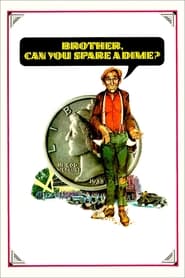
Brother, Can You Spare a Dime?
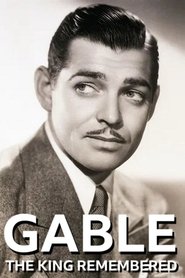
Gable: The King Remembered
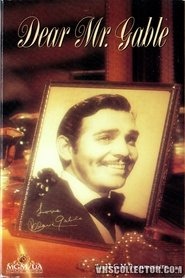
Dear Mr. Gable
The Big Parade of Comedy
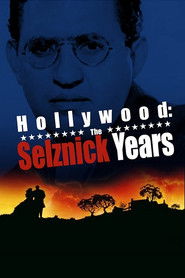
Hollywood: The Selznick Years
The Golden Age of Comedy
Yesterday and Today
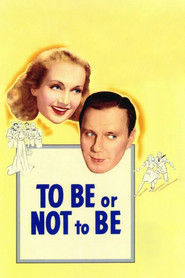
To Be or Not to Be
Screen Snapshots (Series 22, No. 10)
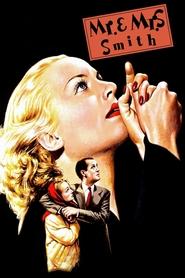
Mr. & Mrs. Smith
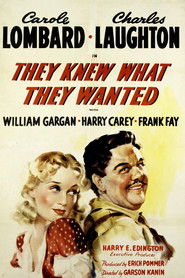
They Knew What They Wanted
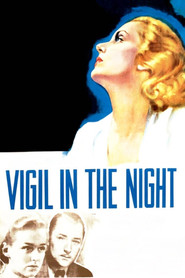
Vigil in the Night
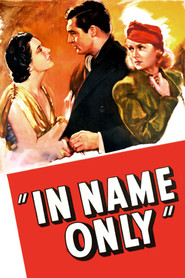
In Name Only
Made for Each Other
British Pathé Newsreels: Gone with the Wind
Fools for Scandal